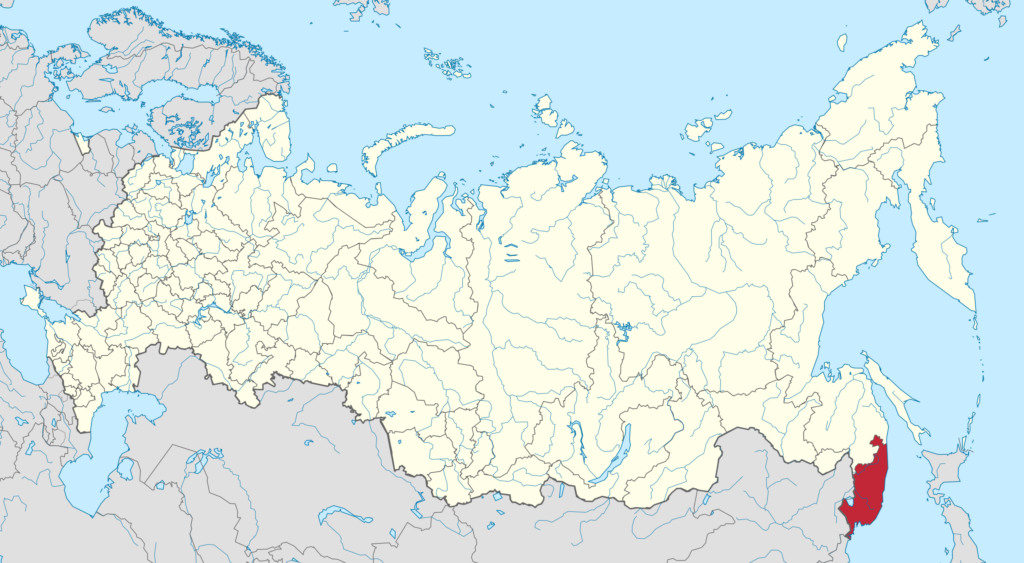
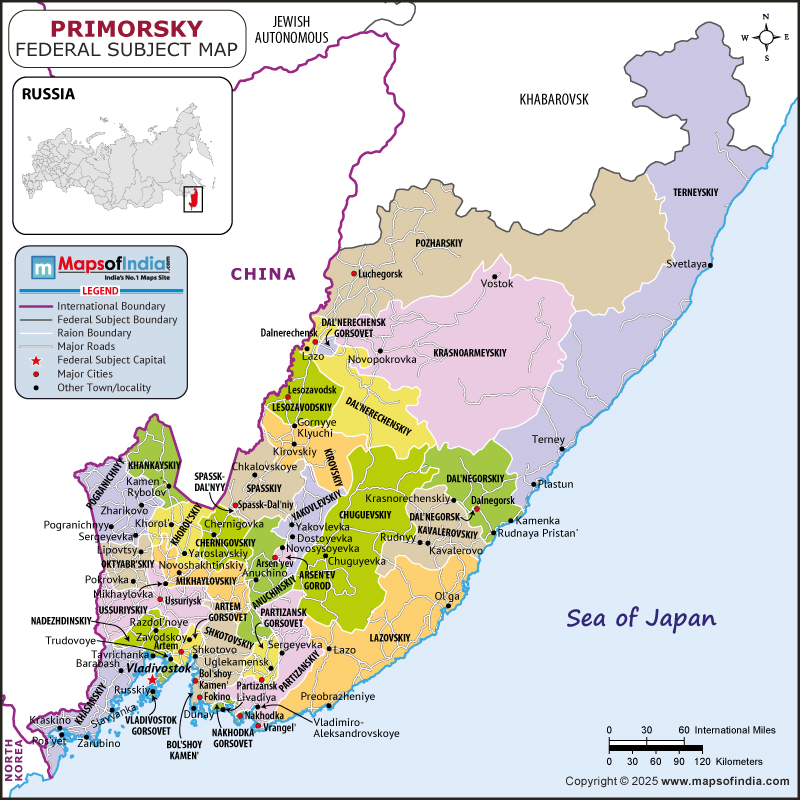
The Kalanguyskoye mine is located in Primorsky Krai, Russia — in the Russian Far East. Wikipedia+1
It is classified as a “fluorspar vein” type deposit according to available geological compilations. U.S. Geological Survey+1
🪨 Mineral Resource — Fluorite
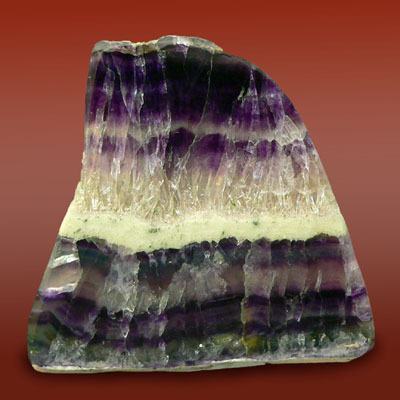
The main (and likely only) commercially exploited mineral at Kalanguyskoye is fluorite (fluorspar, CaF₂). Wikipedia+1
According to data, the mine has estimated reserves of around 6.3 million tonnes of ore, with an average grade of about 60% fluorite. Wikipedia
The deposit is described as a vein‑type (fluorspar vein) deposit, sometimes referenced as a “fluorspar‑vein deposit.” U.S. Geological Survey+1
🧪 Geological / Deposit Characteristics
The deposit consists of a series of fluorspar veins and zones of crushing. According to one geological description, one of the veins (in the deposit cluster) is roughly 1300 m long, 0.7–3.6 m wide, and extends along 600 m in length — though “length vs depth vs width” definitions reflect vein geometry rather than a block ore body. U.S. Geological Survey
The ore-bearing veins host fluorspar, with associated quartz and some pyrite (2–10 %) per that description; minor/trace minerals include kaolinite, marcasite, and very rare galena, molybdenite, arsenopyrite, calcite, sphalerite, etc. U.S. Geological Survey+1
Overall, Kalanguyskoye is not a polymetallic deposit — it is a more “specialized” fluorite deposit (vein‑type), rather than a base‑metal or polymetallic ore body. Wikipedia+1
🎯 Significance & Role
Being among the larger fluorite deposits in Russia (with several million tonnes of reasonably high‑grade ore), Kalanguyskoye likely plays a meaningful role in Russia’s supply of fluorspar. Wikipedia+1
Fluorite (fluorspar) remains an important industrial mineral: used in metallurgy (flux for steel, aluminum), in chemical industry (e.g. production of hydrofluoric acid, fluorochemicals), ceramics, optics in some cases, etc. That makes such deposits strategically significant for raw‑material supply.
The existence of vein‑type fluorspar deposits such as Kalanguyskoye illustrates the geologic variety of fluorspar resources in Far East Russia — not just large open‑pit sedimentary/floride deposits but also concentrated vein deposits.
⚠️ Notes & What Remains Unclear
Although the “6.3 Mt @ 60% CaF₂” figure is given for the reserve estimate, detailed public data (e.g. mine production history, mining rate, longevity) appears limited from English‑language sources. Wikipedia+1
The internal geology seems based on older geological mapping and resource studies (the “fluorspar‑vein deposit” classification comes from Soviet‑era or early post‑Soviet deposit catalogs) — meaning updated modern resource/reserve audits may be lacking in publicly accessible literature. U.S. Geological Survey+1
Because the veins are relatively narrow (in the order of a few meters), production feasibility might depend heavily on mining method, vein continuity and ore‑mineral concentrations — aspects that often vary and influence yield/efficiency.
Badam-Ochir
Fluorspar Market Analyst
FluorsparPrice.com
15+ years experience in mineral commodities trading with focus on fluorspar markets in Mongolia and China.